

When readers pick up a book, they’re not just searching for a good story; they’re also seeking a story within a specific framework.
Every genre carries unspoken promises. Break those promises carelessly, and readers feel cheated. Honor them skillfully—and elevate them creatively—and readers become loyal fans.
Let’s explore some of the most important genre-specific quirks writers must understand before drafting (or revising) their manuscript.
Mystery: The Alibi Is Sacred

In mystery fiction, fair play matters. Readers expect:
- Logical clues
- Clear timelines
- Believable alibis
- A solvable puzzle
If your detective solves the case using information never shown to the reader, that’s not clever—it’s frustrating.
Consider how writers like Agatha Christie influence storytelling, as their stories reveal clues early on, even if hidden. The alibi isn’t just a background detail—it’s a crucial part of the structure.
Common Mystery Rule:
Readers must have access to the same core clues as the detective.
Editing Tip:
When revising a mystery, develop a timeline document. Record each character’s location during key events. If the alibi falls apart under scrutiny, so will your plot.
Fantasy: The World Must Make Sense
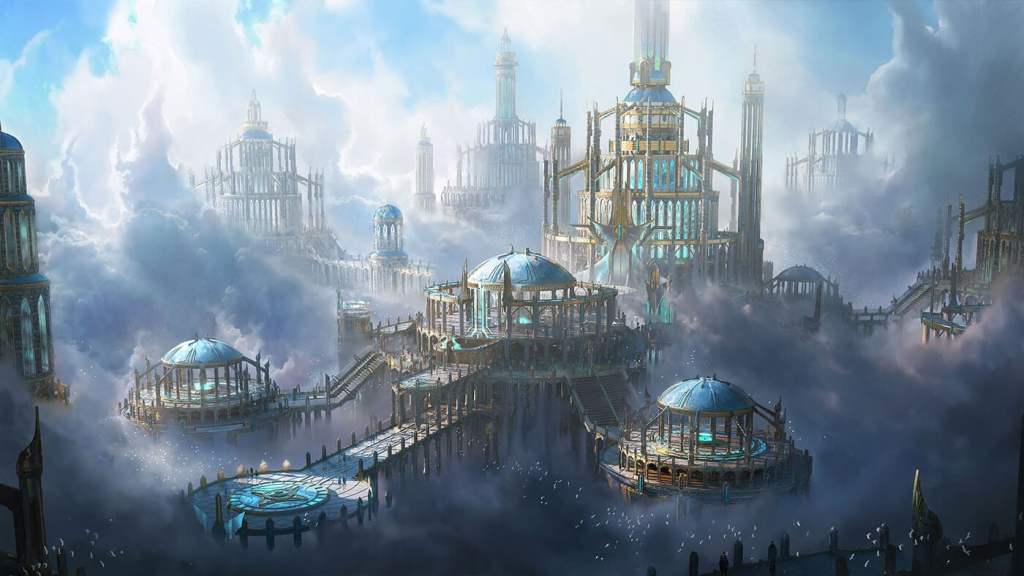
Fantasy readers expect immersive world-building—but not chaos.
Inspired by genre-defining authors like J.R.R. Tolkien, modern fantasy demands:
- Consistent magic systems
- Political and social logic
- Cultural depth
- Clear stakes
Magic shouldn’t only show up when the plot needs saving. If fire magic exists in Chapter 2, its limitations must stay the same in Chapter 22.
Common Fantasy Rule:
Internal logic matters more than realism.
Editing Tip:
Create a “World Consistency Sheet.” Track:
- Magic rules
- Government structures
- Currency
- Travel time
- Religious systems
In epic fantasy, especially, world contradictions disrupt immersion more quickly than almost anything else.
Romance: The Emotional Contract

Romance has perhaps the clearest rule of all:
The central relationship must end in a satisfying emotional resolution.
Readers of romance—whether contemporary, historical, or fantasy—expect:
- Emotional growth
- Chemistry
- Conflict rooted in character
- A hopeful or happy ending
Unlike other genres, killing off a romantic lead without resolution breaks a core genre promise.
Common Romance Rule:
The relationship arc is the plot.
Editing Tip:
Ask yourself:
If I remove the romantic tension, does the story collapse?
If not, you may not be writing a romance—you may be writing a subplot.
Thriller: Tension Is Oxygen

Thrillers operate on escalating stakes and urgency.
Authors like Gillian Flynn demonstrate how tension can be psychological instead of explosive—yet it must always be there.
Thriller quirks include:
- Tight pacing
- High stakes
- Immediate consequences
- Shorter scenes and chapters
Common Thriller Rule:
If tension drops, readers drop the book.
Editing Tip:
During revisions, highlight every scene that doesn’t add danger, stakes, or suspense. Cut or rewrite as needed.
Science Fiction: The “What If” Must Matter

Science fiction hinges on a core speculative question:
What if?
Whether exploring artificial intelligence, alien contact, or dystopian futures, the speculative element should drive the plot — not sit in the background.
Classic and modern sci-fi—from Octavia Butler to Isaac Asimov—uses world concepts to explore humanity.
Common Sci-Fi Rule:
The speculative element must shape character decisions and consequences.
Editing Tip:
If your futuristic technology could be replaced with a modern equivalent and nothing changes, your sci-fi premise may not be fully integrated.
Why Genre Quirks Matter for Writers
Understanding genre rules doesn’t limit creativity—it sharpens it.
When writers ignore genre expectations unintentionally, manuscripts feel unfocused. When writers understand the rules, they can:
- Deliver satisfying reader experiences
- Subvert expectations intentionally
- Market their books more effectively
- Strengthen structural integrity
As a developmental editor specializing in speculative fiction and genre work, I often tell writers:
You can bend the rules. You just need to know them first.
If you’re uncertain whether your manuscript meets its genre’s main expectations, a professional developmental edit can help spot structural issues before publication.
Frequently Asked Questions
What are genre conventions in writing?
Genre conventions are the expected rules, tropes, and structural elements readers associate with a specific type of fiction.
Why are alibis important in mystery novels?
Alibis create logical tension and allow readers to engage in the puzzle-solving process.
How much world-building is too much in fantasy?
World-building becomes excessive when it interrupts pacing or overshadows character-driven storytelling.
Can I mix genres in my novel?
Yes—but you must understand and satisfy the primary genre’s core expectations to avoid confusing readers.
If you’re working on a mystery, fantasy epic, romance, thriller, or sci-fi novel and want professional feedback on whether your manuscript follows its genre’s unspoken rules, I’d love to help.
Understanding genre isn’t about restriction.
It’s about mastery.
Leave a Reply