
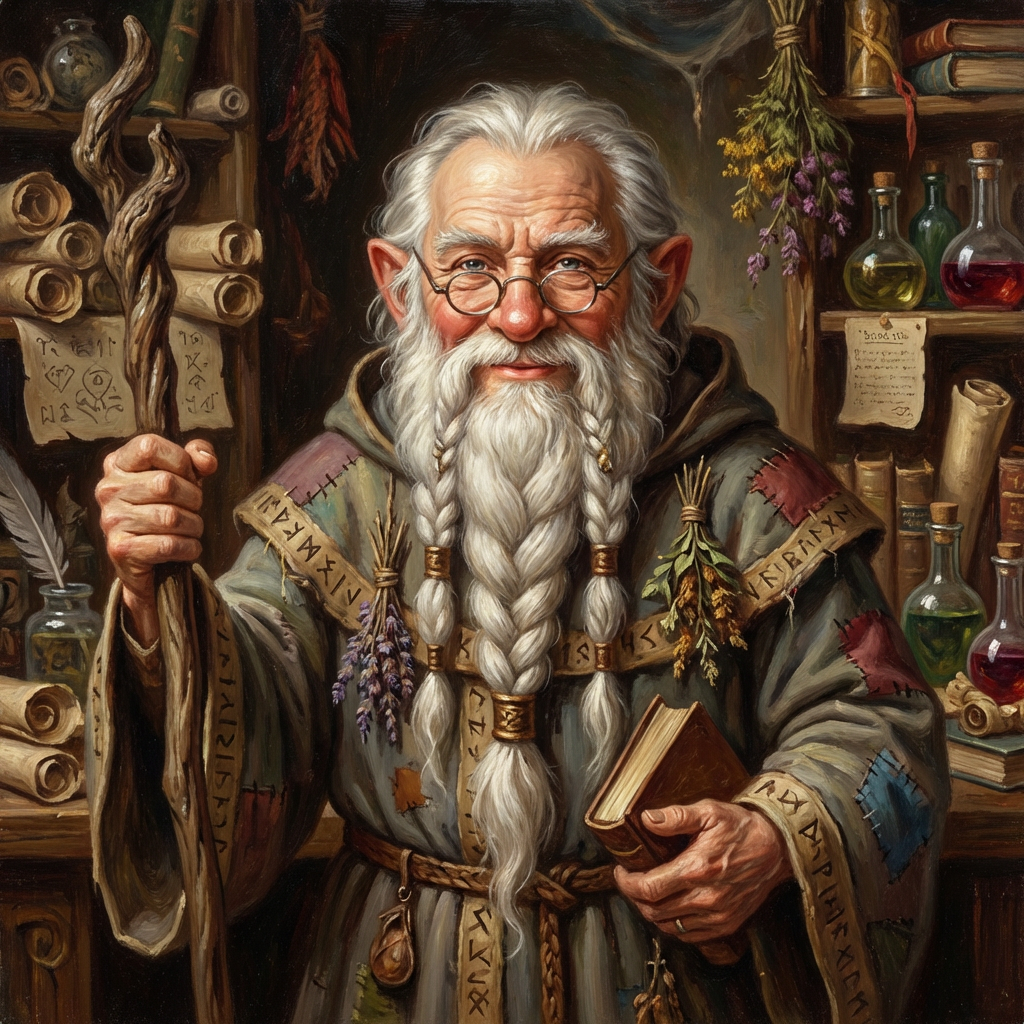

Mentor characters are among the most important figures in storytelling—especially in fantasy. They guide, challenge, and shape the protagonist, often acting as the bridge between ignorance and understanding.
But there’s a fine line.
Make them too weak, and they seem insignificant. Make them too powerful, and they overshadow the very hero they’re meant to support.
So, how do you craft a mentor who feels strong, capable, and believable—without breaking your story?
Let’s dig in.
The Purpose of a Mentor (And Why Power Isn’t the Point)
At their core, mentors are not there to win the story.
They are meant to prepare someone else to win.
This is where many writers go wrong. Strength isn’t about how many enemies your mentor can defeat—it’s about what they teach, what they withhold, and how they shape the protagonist’s growth.
Think about it this way:
A mentor who solves every problem removes tension.
A mentor who creates growth builds the story.
In Greystar’s world, someone like Alex isn’t compelling because he’s powerful (though he is)—he’s compelling because he knows when not to act.
Give Them Limits—Clear, Real, and Costly
An overly powerful mentor typically lacks significant limitations.
If your mentor can solve every problem, readers will constantly ask:
“Why doesn’t the mentor just handle this?”
To avoid this, give them real constraints:
- Physical limitations (injury, age, magical exhaustion)
- Political responsibilities (they can’t leave their post)
- Moral boundaries (they refuse to act in certain ways)
- Knowledge gaps (they don’t know everything)
These limits should feel natural—not forced.
For example, consider a mentor who could wipe out an enemy army—but doing so would disrupt the balance of magic worldwide. Now, their power becomes a burden instead of a solution.
That’s where things get interesting.
Let the Mentor Be Wrong
One of the most effective ways to avoid the “overpowered mentor” trope is simple:
Let them make mistakes.
Mentors are often seen as all-knowing, but true strength also includes making mistakes. When a mentor is wrong, it leads to:
- Conflict with the protagonist
- Opportunities for growth on both sides
- A shift in power dynamics
This also emphasizes a vital truth: the protagonist isn’t just learning—they’re ultimately supposed to surpass the mentor.
And they can’t do that if the mentor is always right.
Shift Power Away from Action and Into Wisdom
Raw power is simple to describe. Wisdom is more difficult—and much more engaging.
A strong mentor doesn’t need to dominate every battle. Instead, they:
- Ask the right questions
- Reframe problems
- Teach perspective rather than solutions
This allows the protagonist to own their victories.
In Greystar terms, Alex doesn’t need to be the one who creates the most magic. His strength is in understanding its cost—and helping Kyle discover that truth for himself.
Use Absence as a Narrative Tool
Some of the most effective mentor characters are powerful because they are not always around.
Why?
Because their absence forces the protagonist to act independently.
You can create this through:
- Separation (different missions, locations, or roles)
- Sacrifice (the mentor steps back—or is removed)
- Timing (they arrive too late… or choose not to intervene)
This doesn’t weaken the mentor—it strengthens the story.
When the protagonist succeeds without them, the mentor’s influence still echoes in every decision made.
Avoid Solving the Climax for the Hero
This is one of the biggest pitfalls.
If your mentor intervenes during the final conflict and saves the day, you’ve just undermined your protagonist’s entire journey.
Instead, the mentor’s role in the climax should be:
- Supportive, not dominant
- Strategic, not overpowering
- Symbolic, not central
They might delay enemies, share a final insight, or make a sacrifice—but the decisive moment must belong to the protagonist. Always.
Let Their Power Come With a Cost
If your mentor is influential—and they should be—ensure that influence has repercussions.
This could be:
- Physical strain
- Emotional toll
- Corruption or instability
- Long-term sacrifice
Power without cost seems unrealistic.
Power with cost feels risky—and captivating.
This also emphasizes a strong message: just because you can wield power doesn’t mean you ought to.
Build a Relationship, Not a Hierarchy
The strongest mentor dynamics evolve over time.
Initially, the relationship might seem hierarchical:
Teacher → Student.
But as the story develops, it should become more complex.
- Mutual respect
- Emotional dependence
- Even disagreement or tension
By the end, the protagonist shouldn’t just follow the mentor—they should challenge, understand, and ultimately stand alongside them.
That transformation is where the true story unfolds.
Final Thoughts: A Mentor’s True Strength
A strong mentor isn’t defined by their ability to control the world around them. Instead, they are characterized by how well they prepare someone else to face it alone.
If your mentor is:
- Limited but capable
- Wise but imperfect
- Present but not overpowering
Then you’re on the right track.
Because the best mentors don’t seek the spotlight. They ensure someone else is prepared.
Leave a Reply